Free PICKUP
Free in-store pickup
Free in-store pickup
Secure checkout
At great prices
Ultimate Beverage Challenge 90 points – Ultimate Beverage Challenge.March/2011 | Our distillery in Russia produces the highest quality spirit possible by removing all of the volatile “heads” and oily “tails”. This “narrow cut” is the purest alcohols from the heart of the run. The amount of heads and tails that Stoli Vodka throws away is up to 4 times greater than most other European distilleries. This tight control of the cut allows us to distill just 3 times, and filter just 4 times with the benefit that we retain the subtle taste and character of the fine Russian wheat. | Plump ripe berries lead on the nose, with blueberry, black currant and lemon fruits, and to the back, a medicinal hint of juniper. Stoli Blueberi offfers a mouth fell that is smooth and creamy, with a buttery grain character and an aromatic nose of eucalyptus.
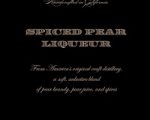
Ultimate Beverage Challenge 87 points – Warm aromas of baked apples and pears are filled with vanilla, raisins and cinnamon. The sweetness on the palate is like ripe juicy pears rather than confected. Long lasting and intense cinnamon, clove and vanilla fill the mouth..March/2017 | St. George Fruit Liqueurs have an impeccable pedigree: They begin as our flagship pear and raspberry brandy, to which we add luscious fruit juice.This brings down the proof (from 40% alcohol by volume to 20% alcohol by volume) and transforms our crystal clear brandies into jewel-toned liqueurs. | Both elegant and earthy, this luscious liqueur has all the complexity of a perfectly ripe Bartlett pear. Cinnamon and clove add a warm touch of spice.
Wine Enthusiast 88 points – The aroma is nearly neutral, with a mild sweetness that’s echoed on the palate, where it suggests light almond and coconut tones layered with a faint charcoal note. Finishes with a fiery burst of cayenne and cinnamon heat..Kara Newman, April/2017 |
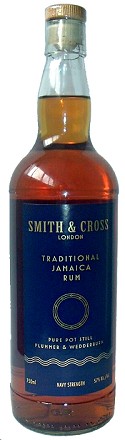
| 57% ABV (50% by weight, or 100 English proof) was the traditional strength required by the British Royal Navy. At this proof a spill of the spirits would not prevent gunpowder from igniting. As important, this degree of concentration provided an efficiency in conveyance on board and onward to trading partners far away. Navy Strength should not be confused with Navy Rum, which was for over 200 years a daily ration in the British Royal Navy, and traditionally composed of rums principally from Guyana, also Jamaica and Barbados. | Through the 19th century and into the earlier 20th century, Jamaica Rum was revered for its deep full flavors and pleasing aromas. In this era, rum fell into three general classes, Local Trade Quality, Export Trade Quality (mainly an ester-intensive “High Continental” style for the German market), and Home Trade Quality for UK (and US) consumption. In the mid 20th century appeared the more familiar “Common Clean” light and/or sweeter styles on offer today, made with the column-still product introduced in the late 1950s. The heavier bodied Wedderburn and medium bodied Plummer styles were made with a combination of the molasses, skimmings, cane juice, and syrup bottoms from sugar production, and the dunder of the previous rum production. A Jamaica tradition has been the use of wild yeasts indigenous to the region in the fermentation process, which is arguably a major contributor to the special body and flavor. The end result is a rum of tremendous and local character. | The great tradition of this style is reflected in the famous drink recipes that call specifically for Jamaica rum. Make no mistake, this is not a sipping rum by contemporary standards. Upon initial pour, allow a minute to open up before tasting. We suggest exploring the profile first in the Jamaica Rum Daquiri (see sidebar) and from there to other classics.
Wine Enthusiast 88 points – The aroma is nearly neutral, with a mild sweetness that’s echoed on the palate, where it suggests light almond and coconut tones layered with a faint charcoal note. Finishes with a fiery burst of cayenne and cinnamon heat..Kara Newman, April/2017 |
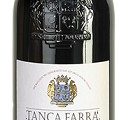
Wine Spectator 89 points – A bright, medium- to full-bodied red, with light, taut tannins providing a snappy frame for the flavors of ripe strawberry, dried cranberry, caraway seed and spice. Cabernet Sauvignon and Grenache. Drink now through 2023. 27,500 cases made, 8,000 cases imported..September/2019 | Grape Varieties – 50% Cannonau, 50% Cabernet Sauvignon.Vinification – Both grape varieties are harvested manually and mechanically from September through October at the peak of maturity. After crushing, each variety undergoes a three-day cold maceration, followed by a temperature controlled fermentation in stainless steel vats at 72-82F for ten days. Only in the final phase of fermentation are the two varieties blended together.Aging – Three years, at first in barriques and then in traditional large Slavonian oak casks kept in cool dark cellars. Aged a further 12 months in bottle prior to release. | Color – Ruby red with garnet reflectionsBouquet – Full, mature fruit with herbaceous and tarry notes.Taste – Full-bodied, dry, balanced and harmonious. Elegant structure or soft tannins